

Guide to Combating Allergic Rhinitis
Nutritional Approach to Reducing and Healing Allergic Rhinitis with Functional Foods
Your one-stop source for information on the optimal diet, the top 12 foods, and the best recipes for preventing and fighting allergic rhinitis symptoms.
How can this guide help you?
This Online Guide to Allergic Rhinitis and Nutrition is designed to help people prevent and fight symptoms associated with allergic rhinitis through a nutritional approach. This nutrition guide is structured along four sections: 1) home page with the latest research and tips (you're currently on the home page — for news and tips, please scroll down this page); 2) diet guidelines for reducing allergic rhinitis symptoms; 3) best foods for preventing and healing allergic rhinitis; 4) healing recipes for people with allergic rhinitis. Use the menu on the right to navigate this guide.
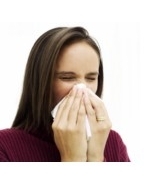
The immune system is designed to protect the body by fighting harmful substances like bacteria and viruses. Allergic rhinitis occurs when the immune system overreacts to normally harmless substances that you have inhaled (these substances are called allergens). It is a fairly common condition, affecting about 20% of Americans. Allergic rhinitis may be either seasonal or perennial. Seasonal allergic rhinitis, also known as hay fever, is caused by outdoors allergens such as pollen. Perennial allergic rhinitis typically occurs year-round and is caused by indoor allergens such as dust mites, pet dander and mold.
An allergic reaction begins when the so-called IgE antibodies, which sit on the surface of mast cells, encounter an allergen. These antibodies cause the mast cells to release histamine in large quantities. Excess histamine causes an extreme inflammatory response, or an allergic reaction. In case of allergic rhinitis, the symptoms often resemble those of a cold and may include nasal congestion, nose itchiness, a sore throat, coughing, sneezing and a runny nose.
The best way to treat allergic rhinitis is to avoid specific allergens that cause the symptoms. There are also many medications available that can bring relief. In addition, certain nutritional factors — discussed in detail in this nutrition guide — can help prevent and control allergic rhinitis.
Important Notice: The information on this website has not been verified for correctness or completeness. Information included on this website is not a substitute for professional nutrition advice or for professional medical or health advice, examination, diagnosis or treatment. Always seek the advice of a qualified health professional.
Water might just be the healthiest drink you can have if you suffer from allergies. Why? Because dehydration causes the body to increase histamine production in an attempt to preserve the water that still remains in the body and to prevent further loss. Although a natural product of the body's endocrine system, histamine is an irritant that produces the itchy eyes, runny nose, and sneezing associated with allergic reactions.
Get out of the rut by adding a twist to your anti-allergy dessert dishes featuring bananas: use apples bananas instead of regular ones. Apples bananas, also known as manzano bananas, are short, thick-skinned gourmet bananas that impart a sweet taste with a hint of apple and strawberry. Apple bananas have been reported to provide up to 50% more vitamin C than conventional bananas! For details, click here.
The white, bulbous taproot is the most popular edible part of the turnip plant. However, turnip greens, which you have probably been throwing away, are also edible, provided that you select young, good-looking turnips with undamaged skins. Young turnip greens are full of flavor and nutrients, and they can be cooked just like any other greens.
Grass Pollen Allergy: Foods to Avoid
Learn which 14 foods are most likely to cause adverse reactions in people who suffer from allergic rhinitis caused by grass pollen.
See ArticleCan E Numbers Be Good for You, Too?
People prone to allergic reactions are often advised to shy away from foods with 'E numbers', but are all E numbers bad?
See ArticleBenefits of Not Eating Wheat
What are the differences between wheat allergy, celiac disease and wheat intolerance?
See ArticleMugwort Allergy and Cross Reactivity with Foods
Learn which foods cross react with mugwort pollen, a common cause of allergic rhinitis.
See ArticleBirch Pollen Induced Hay Fever: List of Foods to Avoid
List of foods that are particularly likely to trigger allergic symptoms in people who are allergic to birch pollen.
See ArticleWhat Are Hypoallergenic Foods?
Benefits of hypoallergenic foods and a list of some of the least allergenic foods.
See ArticleFoods that are in season usually have more nutritional value and flavor and are generally cheaper. The table below shows which hypoallergenic or low allergenicity foods are at their best in various parts of the world in May. Please note that the lists may be incomplete and that seasonal availability can differ from one year to the next.
| In the UK and Ireland, May heralds in a number of hypoallergenic and allergic rhinitis fighting vegetables such as rhubarb, lettuce, beets, purple sprouting broccoli, cauliflower, mushrooms, watercress, calabrese broccoli, cabbage, mint and rosemary. | Low-allergenicity veggies and fruits in season in Australia at the moment include bananas, beets, broccoli, mushrooms, lettuce, apples, pears, pumpkins, Brussels sprouts, cauliflower, fennel, swedes, cabbage, carrots and kohlrabi. Also many allergic rhinitis reducing herbs such as marjoram, thyme and rosemary are at their finest in May. | Hypoallegenic veggies in season in this region include carrots, chard, lettuce, thyme, mushrooms, parsnips, potatoes, sprouts, and squash. |
| Locally-grown hypoallergenic foods (or allergic rhinitis reducing foods) currently available in Michigan, Illinois and Iowa include mushrooms, beets, carrots, chard, lettuce, parsnips, and potatoes. | May heralds in some excellent hypoallergenic foods in the southern / southwestern states of Texas, Arizona and California. In most of these states, the following low allergenicity foods are in season this month: basil, beets, broccoli, cabbage, carrots, chard, cucumber, lettuce, mushrooms, and potatoes. | A number of locally-grown hypoallergenic and anti-allergy foods are currently available in the sunshine state, including lettuce, mushrooms, carrots, blueberries, basil, cucumbers, broccoli, cabbage, chard, onions, Chinese cabbage, potatoes, squash, thyme, oregano, zucchini, and collards. |
