


Foods Associated with Ragweed Pollen Allergy

If you are one of the millions of Americans who develop ragweed allergy symptoms during the pollen season in the fall, you might want to know which foods are associated with ragweed pollen allergy. These foods have proteins that are similar to those present in ragweed, and therefore, they are particularly likely to cause oral allergy syndrome (OAS) in individuals allergic to ragweed pollen (a phenomenon known as ragweed-food cross-reactivity). Oral allergy symptoms typically include itching or swelling of the tongue, lips or roof of the mouth. These symptoms can be avoided by eliminating the trigger foods from the diet, especially during the ragweed pollen season.
In order to maintain a varied diet, susceptible individuals should not aim to avoid all the foods associated with ragweed pollen allergy; in most cases, only some of the potential cross-reacting foods cause symptoms. Drinks and foods that may cross react with ragweed pollen include:
- artichokes
- bananas
- chamomile tea
- cucumbers
- dandelions
- echinacea
- honey*
- hibiscus tea
- mango
- melons
- sunflower seeds
- raw zucchini
*Note: Anecdotal evidence suggests that in some cases honey may actually bring relief from ragweed pollen allergy, rather than make the condition worse.
About Ragweed Pollen Allergy
Ragweed is the number one cause of seasonal allergic rhinitis in the United States in the fall. The pollination of ragweed lasts six to eight weeks, and in many areas, ragweed pollen levels peak around mid September. Most ragweed allergy symptoms are caused by two ragweed species which are found in nearly every region in the United States: short ragweed (Ambrosia aratemisiifolia) and giant ragweed (Ambrosia trifida). Short ragweed usually grows just a few feet tall while uncontrolled giant ragweed can grow up to 17 feet in height.
Ragweed allergies can cause a wide range of symptoms, ranging from sneezing, rashes, and swollen eyes to a stuffy or runny nose. Also an itchy throat and eyes are common symptoms. Some people may also develop asthma symptoms such as wheezing, coughing, or breathing problems.
While anyone can develop an allergy to ragweed pollen, people whose parents or siblings are allergic to ragweed are more likely to develop sensitivities to this weed. Also, those who are allergic to another type of plant pollen and those who have allergies to mold, dust, or animals have an increased risk.
Sponsored Links / Ads
Book You May Like
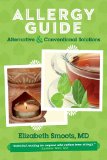 In this authoritative guide, family physician and integrative medicine expert Elizabeth Smoots explains how to use an integrative approach to fight hay fever, asthma and other allergic conditions. She stresses the usefulness of dietary change, natural remedies, and mind/body therapies, but also provides ample information about the pros and cons of conventional drugs. Available through Amazon.com and Amazon.co.uk.


